Investing in luxury fabric is only the beginning of the story. How you care for that fabric determines whether it will reward you with years of beauty or fade before its time. At Selar Fabrics, we believe that proper care is not an obligation but an act of appreciation — a way of honouring the craftsmanship that brought the fabric into being. This guide covers the essential principles of caring for the most treasured textiles in our collection.
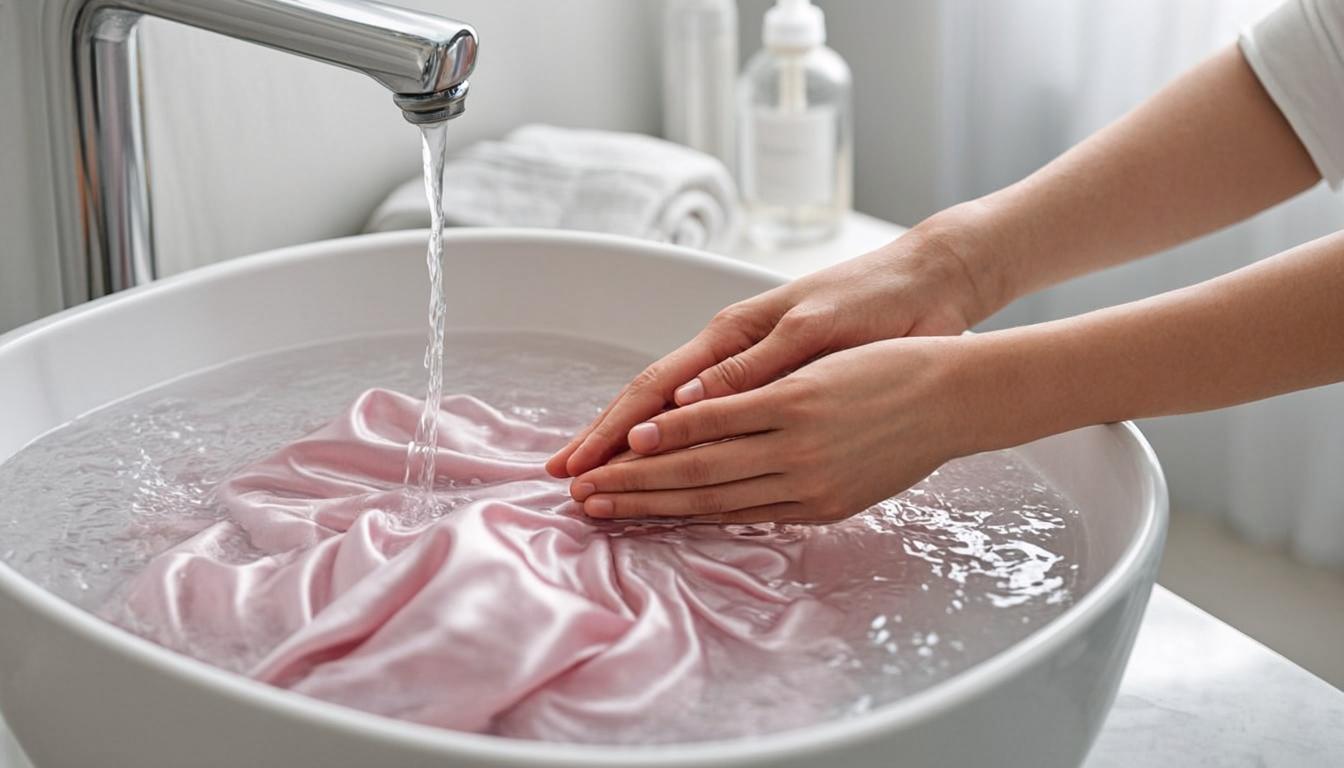
Silk demands the gentlest touch and the most informed approach. Despite its reputation for delicacy, silk is one of the strongest natural fibres — its strength lies in its long, continuous filaments. However, these filaments are vulnerable to abrasion, sunlight, and alkaline substances, which is why dry cleaning is so often recommended. If you do choose to hand wash silk, use only cold water and a detergent specifically formulated for the fibre. Never wring or twist wet silk; instead, roll it in a clean towel to absorb excess water and lay it flat to dry, away from direct sunlight. When pressing silk, use the lowest effective temperature and always iron on the reverse side through a pressing cloth.
Wool requires a different but equally thoughtful approach. The natural scales on wool fibres that give the fabric its warmth and resilience are also what cause it to felt and shrink when exposed to heat and agitation. Dry cleaning is the safest option for structured wool garments like suits and coats. For softer wool pieces, hand washing in lukewarm water with a wool-safe detergent is acceptable, provided you avoid any rubbing or wringing. Reshape wool garments while damp and dry them flat on a clean towel, away from direct heat. Regular brushing with a garment brush removes surface dust and helps maintain the fabric's natural lustre, while airing wool between wears allows the fibres to recover their shape.
Linen is perhaps the most forgiving of luxury fabrics, but it rewards proper care with a beauty that improves with age. Machine washing in warm water is perfectly acceptable for most linen, and tumble drying on a low setting can actually enhance the fabric's natural softness. The characteristic creasing of linen is part of its charm, but if you prefer a smoother finish, iron while the fabric is still slightly damp, using a hot iron on the reverse side. Linen becomes softer and more lustrous with each wash, so do not be afraid to use and enjoy it freely.
Velvet requires particular attention to preserve its distinctive pile. Never iron velvet directly, as this will crush the pile irreparably. Instead, hang velvet garments in a steamy bathroom to remove wrinkles, or use a garment steamer held at a distance. Store velvet on padded hangers, never folded, as creases can become permanent. When cleaning is necessary, professional dry cleaning is strongly recommended — the agitation of washing can permanently damage the pile direction and create water marks.
Proper storage is the final and often overlooked element of fabric care. Natural fibres benefit from breathing, so avoid plastic garment bags in favour of cotton or muslin covers. Cedar blocks or lavender sachets provide natural moth protection without the chemical residue of mothballs. Fold heavy garments rather than hanging them to prevent stretching, and store seasonal pieces in a cool, dry, dark place. With these practices, your Selar Fabrics fabrics will continue to bring beauty and pleasure for many years to come.
Sarah Chen
Selar Fabrics Editorial