Bespoke tailoring is more than a method of making clothes — it is a philosophy that places the individual at the centre of the creative process. Unlike made-to-measure, which adjusts a standard pattern, true bespoke begins with a blank canvas: a unique pattern drafted entirely from scratch for a single client. Every curve, every proportion, every nuance of posture is accounted for in a process that has remained fundamentally unchanged for over a century.
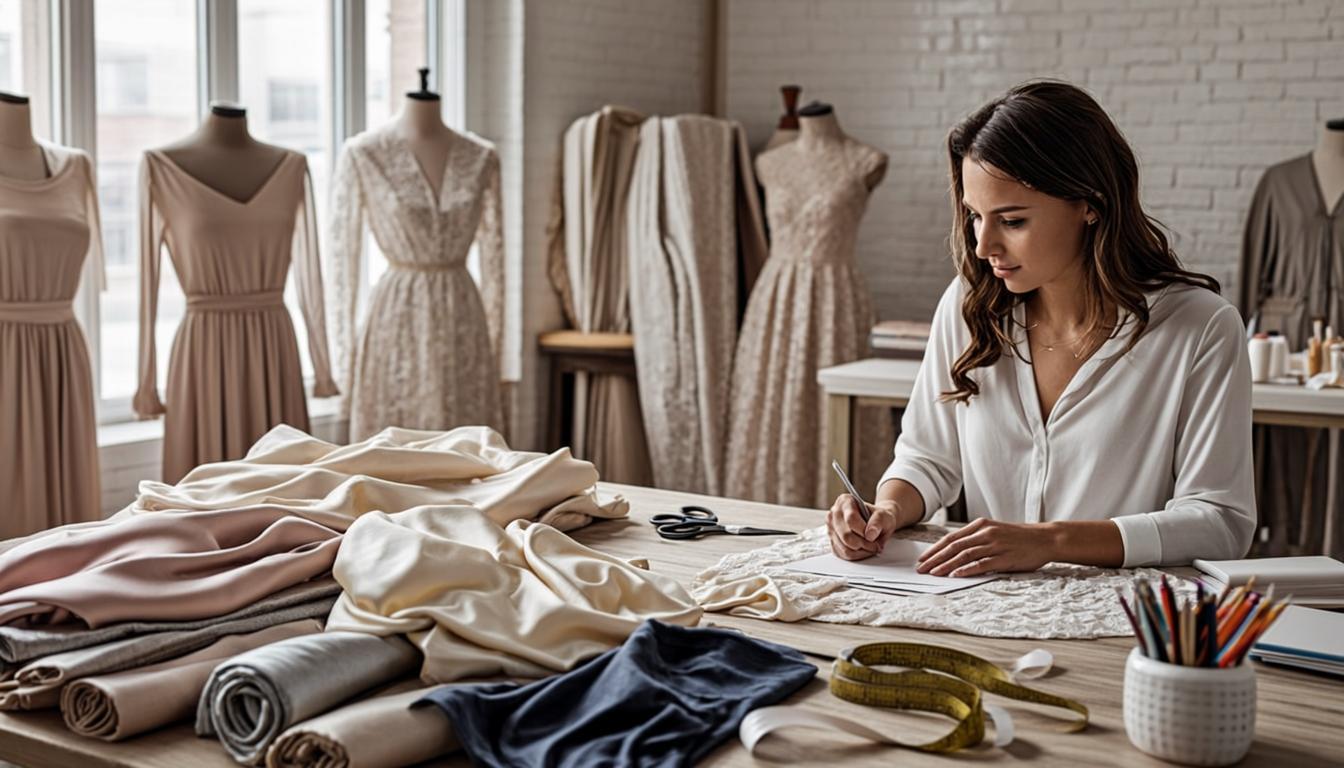
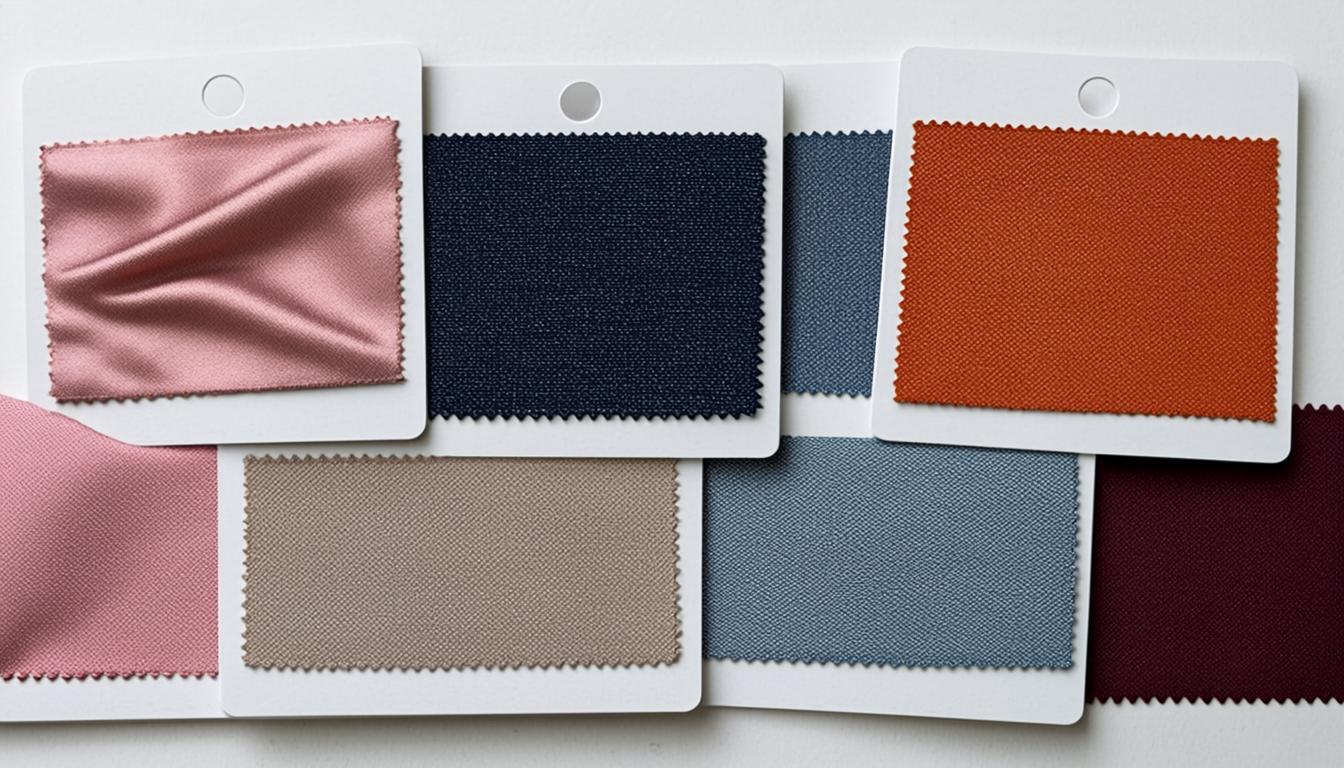
The journey begins with fabric selection, and this is where the partnership between tailor and cloth becomes paramount. A skilled bespoke tailor does not simply choose a beautiful fabric; they choose a fabric that will perform in harmony with the intended design. A heavyweight wool suiting demands different construction techniques than a lightweight silk, and understanding these relationships is what separates a good tailor from a master. At Selar Fabrics, we take pride in offering fabrics that meet the exacting standards of bespoke practitioners — fabrics with the body, drape, and character that exceptional tailoring demands.
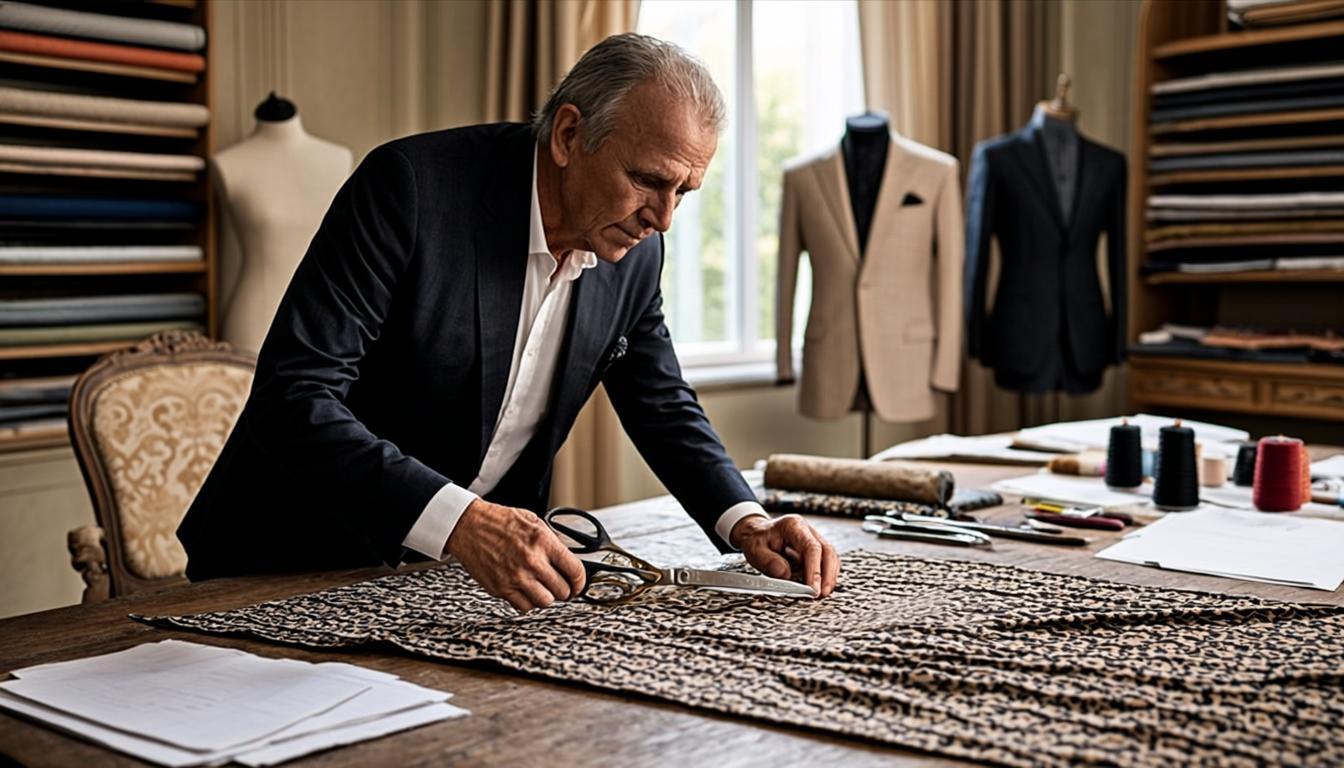
The cutting of a bespoke garment is an act of architecture. The cutter studies the client's measurements and posture, creating a paper pattern that accounts not only for the body as it stands but for how it moves. A slight forward lean, a higher right shoulder, a longer left arm — these individual characteristics are not problems to be corrected but personality to be accommodated. The pattern is cut by hand, each piece marked with chalk and shears in a tradition that predates the sewing machine by centuries.
Construction follows, and this is where the true artistry reveals itself. A bespoke jacket typically involves over fifty hours of handwork. The canvas — a hidden layer of horsehair and cotton that gives the garment its structure — is shaped by hand using thousands of tiny stitches that create a three-dimensional form perfectly contoured to the wearer. The lapels roll because the canvas has been trained to roll, not because of heat and pressure. The shoulders sit naturally because they have been built layer by careful layer, not pressed into submission.
Fitting is an iterative process, with each session refining the garment's relationship with the body. A bespoke tailor reads the fabric as it drapes, making adjustments measured in millimetres that transform a well-made garment into a second skin. It is this dialogue between tailor, fabric, and body that gives bespoke clothing its unmistakable quality — not perfection, but a living, breathing fitness that machine production can never replicate.
In an age of fast fashion and instant gratification, bespoke tailoring stands as a quiet act of rebellion. It asks us to slow down, to consider, to invest in something that will outlast any trend. At Selar Fabrics, we are honoured to supply the fabrics that become part of this extraordinary tradition, and we invite you to experience the difference that truly exceptional cloth can make.
James Whitmore
Selar Fabrics Editorial